Parsons Green upholstery cleaning for period homes
Posted on 18/06/2026
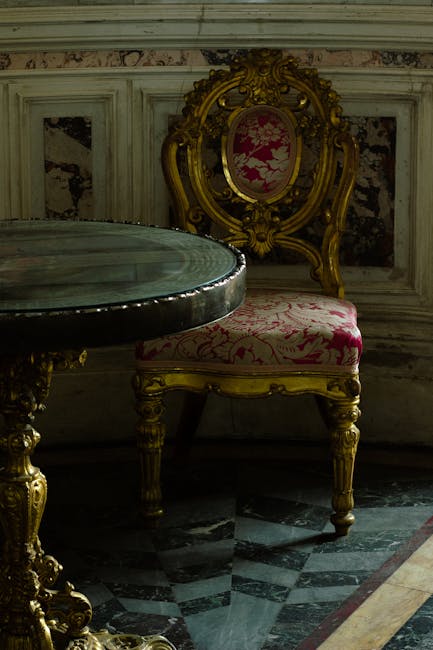
Period homes in Parsons Green have a lot going for them: sash windows, original joinery, elegant proportions, and furniture that has usually earned its place over time. But upholstery in these homes can be tricky. Older sofas, dining chairs, ottomans, and window seats often carry delicate fabrics, horsehair stuffing, sprung frames, or finishes that do not forgive a heavy-handed clean. That is exactly why Parsons Green upholstery cleaning for period homes deserves a careful, informed approach rather than a one-size-fits-all method. Done properly, it can lift years of dullness, freshen the room, and protect the furniture you actually want to keep.
If you live in a Victorian terrace, a converted flat, or a handsome Edwardian property nearby, you will know the feeling: a beautiful room can still look tired when the upholstery is marked, dusty, or holding onto that faint old-house smell. The good news? There is usually a sensible way forward. This guide explains what to do, what to avoid, and how to choose the right cleaning method without upsetting the fabric, the frame, or the room itself. It also gives a practical checklist you can use before booking any upholstery care, whether you need a quick refresh or a deeper clean alongside a broader deep clean.
Why Parsons Green upholstery cleaning for period homes Matters
Period homes are not just "older properties". They often contain materials and furniture construction that respond differently to modern cleaning methods. Upholstery in these homes may include natural fibres, woven blends, wool, silk mixes, linen, velvet, or bespoke covers that were chosen for texture more than toughness. In a room with tall ceilings and original mouldings, the upholstery ends up doing a lot of visual work, so when it looks dull, the whole space can feel flat.
There is also a practical side. Dust, pollen, pet dander, and everyday grime collect in upholstery fibres over time. In homes with open fireplaces, busy family life, or frequent guests, that build-up becomes more noticeable. You might not see it from across the room, but you smell it, or you notice it when sunlight falls across the arm of a chair at three in the afternoon. That is usually the moment people decide something needs doing.
In Parsons Green, where many homes combine character features with modern day living, the challenge is balance. You want upholstery to look clean and feel fresher, but you do not want to flatten the pile on a velvet chair or leave water marks on a vintage armchair. A careful cleaning approach helps preserve the room's character instead of sanding it down. And truth be told, that is the whole point.
Expert summary: Period-home upholstery needs cleaning that respects the fabric, filling, dye stability, and age of the piece. The best results usually come from inspection first, testing second, and cleaning only after the method is matched to the furniture.
How Parsons Green upholstery cleaning for period homes Works
A proper upholstery clean usually starts with identification, not spraying. The fabric type, construction, and condition tell you almost everything. A good cleaner will look for labels, fibre clues, colour bleed risk, seam weakness, fading, wear on the arms, and signs of previous spot-cleaning. Older furniture sometimes hides surprises beneath a cover or cushion zip. Sometimes it is all a bit more delicate than it first appears.
Next comes dust removal. This sounds basic, but in period homes it matters more than many people expect. Dry soil trapped in the fabric acts a little like grit, which can make cleaning less effective and more abrasive. Careful vacuuming with the right attachment helps lift the loose material before any moisture is introduced. For antique or heirloom pieces, that stage can make all the difference.
After that, the cleaning method is chosen. Depending on the upholstery, this may involve low-moisture cleaning, controlled hot-water extraction, hand cleaning, dry compound methods, or specialist stain treatment. The aim is to clean deeply enough to make a visible difference while avoiding over-wetting, shrinkage, or texture damage. In a period property, you usually want enough restraint to keep the fabric looking like itself.
Drying is the final, very important stage. Older homes can have different airflow patterns, especially if windows are thick, rooms are north-facing, or heating is intermittent. Proper drying prevents musty smells and protects the furniture lining. If a sofa or chair feels only slightly damp after cleaning, that is usually fine. If it feels wet-wet, that is a problem. Small distinction, big outcome.
Key Benefits and Practical Advantages
When upholstery is cleaned with care, the benefits go beyond appearance. You are not just brightening a sofa. You are protecting fabric, improving comfort, and helping a period room feel considered rather than cluttered by wear.
- Better appearance: colours look richer, fibres lift, and the furniture stops looking "greyed out" by everyday dust.
- Longer fabric life: removing soil reduces the friction that wears fibres down over time.
- Improved room atmosphere: upholstery can hold smells from pets, cooking, smoke, or closed-up rooms.
- Better guest impression: in a formal sitting room or dining room, cleaner upholstery instantly changes the feel of the space.
- Protection of heritage character: thoughtful cleaning helps preserve original pieces instead of replacing them too early.
There is also a resale or rental angle for some homeowners. A period property with clean, well-kept furnishings tends to feel more cared for overall. That is especially useful if you also pay attention to carpets, which is where a service like carpet cleaning in Fulham can complement the upholstery work nicely.
Let's face it, few things age a room faster than a smart chair with shiny grime on the arms.
Who This Is For and When It Makes Sense
This kind of cleaning is a strong fit for homeowners and tenants in period homes, as well as anyone caring for older upholstered furniture in a polished, traditional interior. It is especially relevant if you have:
- Victorian, Edwardian, or Georgian-style furniture
- Velvet, linen, wool, or mixed-fibre upholstery
- Dining chairs that get regular use
- Armchairs in a formal sitting room
- Window seats or built-in upholstered benches
- Family homes with children or pets
- Rooms that have been shut up over winter and need a freshen-up
It also makes sense if you are preparing for guests, moving into a new property, or giving the home a seasonal reset. Spring is a common time, though autumn can be just as sensible once doors and windows have been closed more often. A lot of people think about upholstery only when there is a stain. In practice, regular upkeep is simpler and usually gentler.
If your home is part of a wider cleaning plan, you might pair upholstery care with spring cleaning in Fulham or a one-off refresh before an event. That can be a neat way to bring the whole house back to life without turning it into a weekend of chaos.
Step-by-Step Guidance
Below is a practical approach that works well for period-home upholstery. It is deliberately conservative, because older furniture rewards patience.
- Identify the fabric and structure. Look for care labels if present, but do not rely on them alone. Check for fading, loose stitching, and any areas that feel fragile.
- Vacuum thoroughly. Use a soft brush attachment and work gently around seams, piping, and creases. If the furniture has deep buttoning or tufting, take your time.
- Spot-test first. Test any cleaning solution in a hidden area. Wait for it to dry, because some colour changes only show once the patch has settled.
- Treat stains carefully. Blot, do not scrub. Scrubbing can damage the weave or spread the mark further. In older pieces, overworking one spot is a classic mistake.
- Choose the right method. Low-moisture or specialist hand-cleaning is often safer for delicate fabrics. Strong saturation is rarely the answer.
- Control drying. Increase airflow, but avoid blasting heat directly onto the fabric. A steady dry is better than a dramatic one.
- Finish with a final inspection. Check for tide marks, texture changes, and any areas that need a second gentle pass.
If the piece is valuable, sentimental, or unusually delicate, the best step may simply be to stop and get a specialist opinion before doing anything else. A well-timed pause can save a chair.
Expert Tips for Better Results
Over the years, a few habits consistently lead to better outcomes. They are not flashy, but they work.
- Clean before a stain becomes old. Fresh marks are usually easier to treat than set-in ones.
- Match the method to the fabric, not to the stain. A water-based stain on a delicate textile still does not mean you should flood it.
- Think in terms of the whole room. If upholstery is cleaned but the surrounding carpet remains heavily soiled, the room can still feel tired. A coordinated refresh often looks better.
- Use cushions and throws strategically. They reduce daily wear on the most-used areas without hiding the furniture completely.
- Rotate cushions where possible. It sounds simple, but it helps wear more evenly.
A small, slightly old-fashioned but effective tip: open the room early in the day if you can. Fresh air, even in winter, helps the whole drying process feel less stuffy. The house just seems happier.
For more upholstery-related care ideas, the article on safely cleaning and caring for velvet curtains is a useful companion piece because the same principle applies: delicate textiles need patience and restraint.
Common Mistakes to Avoid
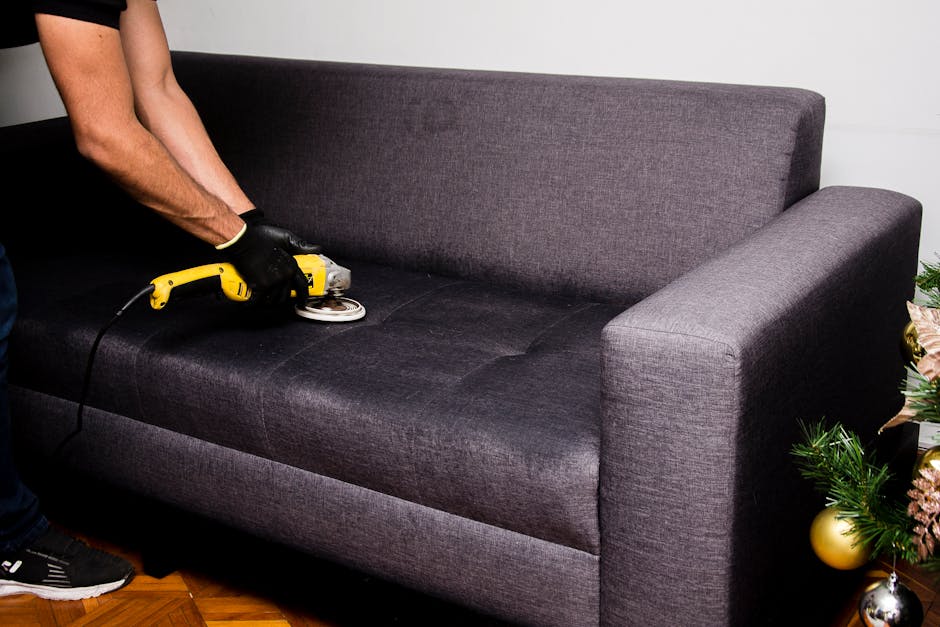
Period-home upholstery cleaning goes wrong in a few predictable ways. Avoiding these mistakes is often more valuable than chasing a miracle product.
- Using too much water: This can cause shrinkage, browning, smell retention, or uneven drying.
- Rubbing stains aggressively: It can distort pile, fuzz the fabric, or push the stain deeper.
- Ignoring fibre type: Velvet, wool, linen, and synthetic blends all behave differently.
- Skipping the dry soil removal stage: Dust left in the fabric makes the clean less effective.
- Overlooking the frame or stuffing: A chair can look fine on the outside and still be fragile inside.
- Rushing the drying process: Closed-up rooms and damp upholstery are not a great combination, to put it mildly.
One surprisingly common issue is cleaning only the visible top surfaces. That can leave arms, sides, and seat fronts looking different once everything dries. Uneven cleaning stands out more than people expect, especially in formal rooms with lots of natural light.
Tools, Resources and Recommendations
You do not need a van full of gadgets to care for upholstery well. A few sensible tools cover most routine maintenance, while more specialist work is best left to trained hands.
| Tool or resource | Why it helps | Best use |
|---|---|---|
| Soft brush vacuum attachment | Lifts dust without roughing up fibres | Routine maintenance and pre-cleaning |
| Microfibre cloths | Useful for gentle blotting | Minor spills and quick response |
| Clean white towels | Help absorb moisture while keeping colour transfer low | Spot treatment and drying support |
| Fabric care label or maker notes | Gives clues about allowed methods | Initial assessment |
| Professional upholstery inspection | Reduces the risk of using the wrong method | Delicate, valuable, or heavily soiled pieces |
For homeowners who want a broader home-care routine, the services overview is a useful place to understand how upholstery cleaning fits alongside other domestic cleaning support. And if you are trying to plan around budget or timing, the pricing and quotes page can help you think through the practical side before you commit.
There is no magic spray that fixes every sofa. Annoying, yes. True, also yes.
Law, Compliance, Standards, or Best Practice
For upholstery cleaning in occupied homes, the key concern is not regulation for its own sake but safe, competent practice. In the UK, responsible cleaners are expected to work in line with general health and safety duties, handle chemicals carefully, and avoid creating hazards through excess moisture, poor ventilation, or unsafe equipment use. That is especially relevant in period homes, where original woodwork, older flooring, and vintage fabrics may be more sensitive than modern interiors.
Best practice also includes checking that any cleaning approach is suitable for the fibre, respecting manufacturer guidance where available, and communicating clearly about likely risks such as colour loss, pre-existing wear, or hidden weakness in older upholstery. If there is uncertainty, a cautious test patch and a conservative method are usually the right call.
It is also sensible to choose services that are transparent about insurance, safety procedures, and complaints handling. Those details matter. You can review the company's stated approach through insurance and safety information, the health and safety policy, and the complaints procedure. That may sound unexciting, but it is exactly the kind of detail that separates a careful provider from a careless one.
Best practice in a period home is usually simple: protect the fabric, protect the room, and protect the person paying for the clean.
Options, Methods, or Comparison Table
Different upholstery items call for different methods. Here is a plain-English comparison to help you decide what might suit your furniture.
| Method | Best for | Pros | Watch-outs |
|---|---|---|---|
| Vacuum-only maintenance | Light dusting and routine upkeep | Safe, quick, low risk | Won't remove embedded grime or stains |
| Low-moisture cleaning | Delicate or older fabrics | Reduced drying time, gentler on fibres | May not suit heavy staining |
| Hot-water extraction | Robust fabrics with deeper soiling | Can remove more embedded dirt | Too much moisture can be risky for period pieces |
| Hand cleaning / specialist spot treatment | Small marks, valuable furniture, sensitive textiles | Very controlled and precise | Slower, and results depend on skill |
In many Parsons Green period homes, the best answer is not the strongest method. It is the most suitable one. There is a difference, and it matters.
Case Study or Real-World Example
Here is a realistic example. A homeowner in a Parsons Green Victorian terrace had two deep-buttoned armchairs in a front sitting room. The chairs were structurally sound, but the pale fabric had developed a general dullness, with darker marks on the arm rests where hands and sleeves had rubbed over time. There was also a faint, stale smell that became more obvious when the windows stayed shut for a few wet days.
Rather than using a heavy wet clean straight away, the process began with careful inspection, vacuuming, and a test patch on the back edge. The fabric responded well to a low-moisture method, and the arm marks improved without disturbing the texture. Drying was managed with steady airflow and no direct heat. The result was not "brand new" in a fake way, which would have looked odd in that room anyway. It simply looked cleaner, softer, and more at home in the house.
That is the kind of outcome most people want. Not perfection. Just better, and safely better.
For properties that need more than upholstery alone, it can make sense to combine the job with house cleaning in Fulham or domestic cleaning support so the whole property feels pulled together instead of patchy.
Practical Checklist
Use this checklist before booking or attempting any upholstery clean in a period home.
- Identify the upholstery fabric if you can.
- Check for wear, loose seams, or frame instability.
- Vacuum thoroughly, including creases and piping.
- Test any product in a hidden area.
- Avoid soaking the fabric.
- Blot stains gently instead of rubbing.
- Make sure the room can be ventilated properly.
- Protect nearby woodwork, flooring, and wallpaper from overspray.
- Allow enough drying time before using the furniture again.
- Consider combining upholstery care with other home maintenance if the room needs a wider refresh.
If you are planning a larger clean around the home, the one-off cleaning in Fulham option can be a practical companion to upholstery work, especially after renovation dust, a seasonal reset, or a busy family stretch.
Conclusion
Parsons Green upholstery cleaning for period homes is really about respect: respect for the fabric, the craftsmanship, and the way older homes need to be handled. A good clean should make your furniture feel fresher without stripping away the character that made you love it in the first place. That means choosing methods carefully, avoiding shortcuts, and treating each piece as an individual rather than part of a batch.
If your home has beautiful older furniture that deserves a gentler touch, the next step is straightforward: assess the fabric, think through the risks, and choose a cleaning approach that suits the piece instead of forcing the piece to suit the method. It is a small bit of judgement, really, but it pays off in a big way.
Get a free quote today and see how much you can save.
And if you want to explore more about the company behind this service, you can also read about about us, review the terms and conditions, or visit the contact page when you are ready to talk through your furniture and timing. A careful conversation now can save a lot of worry later.